An exclusive piece for ALDC by Ed Davey MP
Today I met the new Prime Minister to start cross-party talks on fixing social care – something we have been pushing for as a party for many years now.
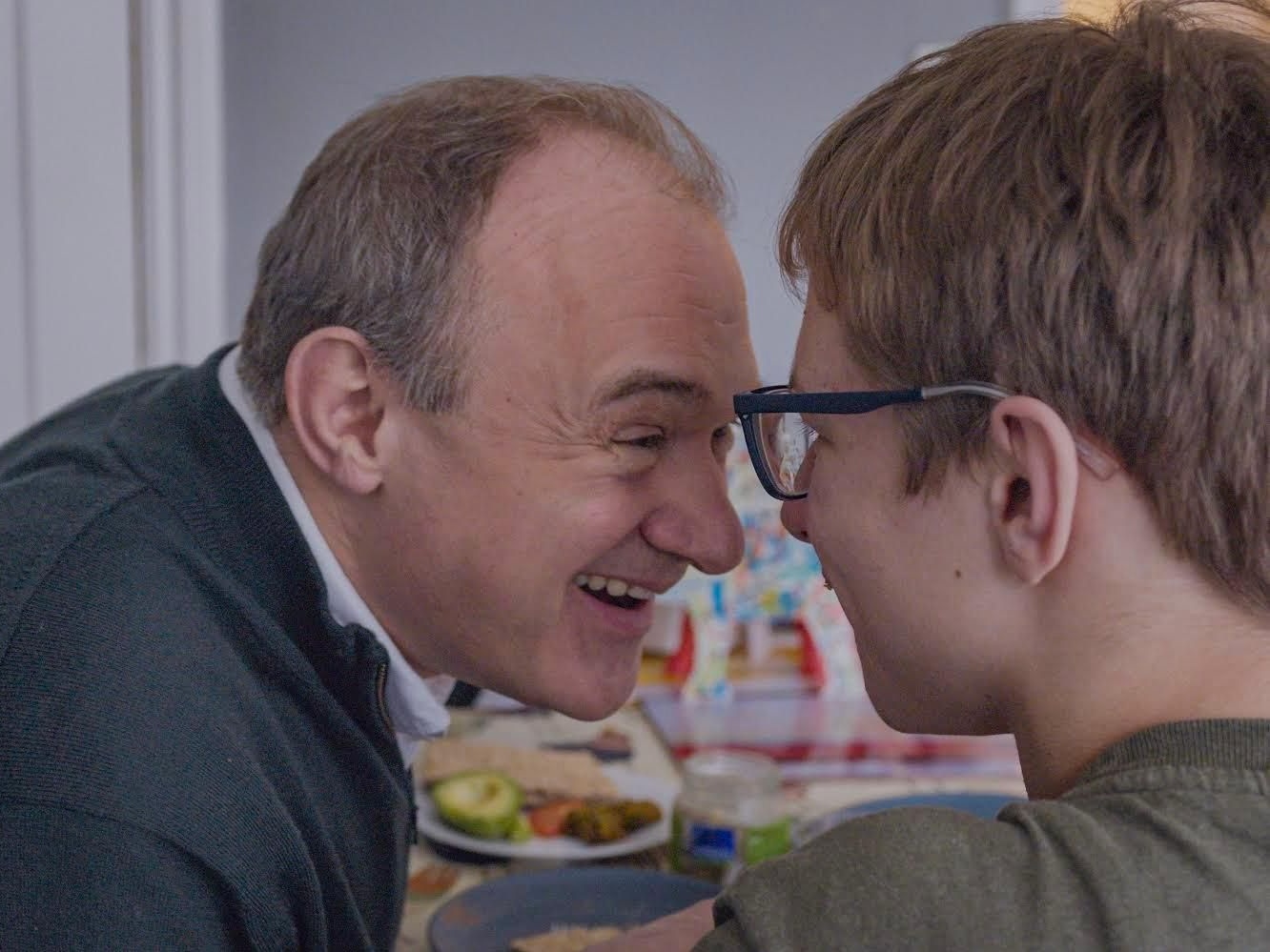
This is personal for me. Not just because of my own experience as a carer for most of my life – first for my mum when I was a teenager, and now for my son John – but because of all the family carers I’ve heard from over the years. I know the amazing work they do, and I know how badly they and their loved ones are being let down by the current crisis.
They desperately want to see social care fixed, so that everyone gets the high-quality care they need, and carers get the help and support they deserve.
And we also know: if we don’t fix social care, we’ll never end the crisis in our NHS or the crisis in local authority finances either. Social care now consumes 78% of councils’ net revenue spending across England. We simply have to get this done.
We have set out our own detailed plans on social care, including our three key tests for fixing it: putting family carers front and centre; a universal safety net of care including free personal care; and protecting people from catastrophic costs.
But we have also always argued that the only way to fix social care is to do it cross-party, because any solution has to stand the test of time and changes of government. We’ve seen before what happens when parties aren’t fully signed up – when the Conservatives ripped up the Dilnot reforms that we legislated for.
So these talks are an essential step forward. After fighting on this issue for so long, it gives me hope that we might finally get a solution.
And I have made clear: we are determined to make this succeed. So if we can find a proposal that both Labour and the Conservatives sign up to, we will back it – even if it’s not our preferred option. Because we know that unless everyone is signed up to it, it won’t happen.
I am hopeful today – more hopeful than I have been for a long time that we can finally fix care. But there is a lot of hard work ahead – and we need to keep fighting for carers, for people who need care, and for all the families affected by the social care crisis.
I know the social care crisis is something Liberal Democrats in local government have to deal with every day. I hope we can finally change that.
says
Thank you, this does give us hope for lasting change to make the social care of our loved ones, and likely one day ourselves, something we can be proud of in our country. Good care workers are living treasures, and should be treated as such. Good carers should never be leaving because the pay is too low to live in. Bad carers should never be kept on because there is no other choice.
says
To get consensus and funding will be very hard, I know. But thank you for making a start and agreeing to go along with the other parties even if we don't agree. That is statesmanship; I hope others recognise that and your commitment to getting this done.
says
Splendid news! Thank you, Ed.
We need this so badly and it can do so much good.
Flo
Ian Raw says
Absolutely. Here is a strong open letter to MPs that you could send to multiple MPs, publish publicly, or use as a basis for a campaign. I have framed it around the issues you raised: long-term mental health support, Section 136, Section 117 aftercare, social care, council responsibilities, and genuine co-production.
Writing
An Open Letter to Members of Parliament: Is the Mental Health System Failing People Who Need Long-Term Support?
Dear Members of Parliament,
I am writing this open letter because I believe we need an honest national conversation about the future of mental health services in the United Kingdom.
Across the country, people living with long-term mental health difficulties are struggling to access consistent, meaningful and appropriate support. Families and carers are often left trying to fill the gaps. NHS services are under pressure, social care is under pressure, and voluntary and community organisations are facing their own challenges.
The question I want to ask is simple:
Are we, as a society, failing people with long-term mental health needs?
I am particularly concerned about what happens to people after a mental health crisis.
Section 136 of the Mental Health Act can be used when someone is believed to be experiencing a mental health crisis and needs to be taken to a place of safety. But what happens after the crisis has passed? What happens when a person still needs support to rebuild their life?
For people entitled to Section 117 aftercare, the responsibility of the NHS and local authority should not simply end when the immediate crisis is over. Aftercare is intended to help prevent deterioration and reduce the likelihood of someone needing to be detained in hospital again.
Yet many people experience a cycle of crisis, emergency intervention, discharge and then another crisis.
That cannot be the future of mental health care.
We need to ask whether the system is investing enough in prevention, early intervention, community support, social care, meaningful activities, peer support, housing, employment and social connection—rather than waiting until people reach crisis point.
I am also concerned about the relationship between NHS mental health services, local authority social care and voluntary organisations.
When services are changed, reduced or withdrawn, who is responsible for making sure that people do not fall through the gaps?
People with long-term mental health needs cannot simply be passed from one service to another. A person is still a person when they leave hospital. They are still a person when they no longer meet a particular service's criteria. They are still a person when funding arrangements change.
Mental health does not stop because a contract ends or a service is redesigned.
I have also been involved in co-production and discussions about mental health and wellbeing services, including work connected with Daybreak and the wider development of services in Westmorland and Furness.
Co-production can be incredibly powerful—but only if people's voices genuinely influence decisions.
Service users should not be invited into a room simply to be told what is going to happen.
We should be asking:
What did service users tell decision-makers?
What recommendations came from people with lived experience?
Which recommendations were accepted?
Which were rejected, and why?
What will happen to people who currently rely on services that are being changed?
How will the impact of changes be measured?
Who will be accountable if people lose essential support?
Co-production must mean shared power, not simply consultation.
I am asking every MP who receives this letter to consider the experiences of people living with long-term mental health difficulties in their constituency.
I would like Parliament to have a serious discussion about whether the current system is genuinely meeting the needs of people with long-term and complex mental health conditions.
I would also like MPs to examine the evidence surrounding suicide, particularly among men and in areas where suicide rates are higher than the national average.
We cannot continue to talk about suicide prevention while allowing people to become isolated, unsupported and disconnected from services until they reach crisis point.
We need a system that supports people before they reach the emergency department, during a crisis, and after the crisis has passed.
I am therefore calling for:
A national review of long-term mental health support across the NHS, social care and voluntary sector.
A review of Section 117 aftercare, including whether people are receiving the support they are legally entitled to.
Greater accountability for Section 136 pathways, including what happens to people after emergency intervention.
Better integration between NHS mental health services and local authority social care, so that people do not fall between organisational boundaries.
Genuine co-production, with people who have lived experience having a meaningful role in decisions about the future of services.
Greater transparency when councils redesign or reduce mental health services, including clear information about the impact on people currently receiving support.
Investment in community mental health and prevention, not just crisis intervention.
A stronger national strategy for men's mental health and suicide prevention, particularly in communities experiencing high suicide rates.
Recognition of the importance of social connection, meaningful activity, peer support and community groups in maintaining mental wellbeing.
A commitment that no person with a long-term mental health condition will simply be left without support because they do not fit neatly into the boundaries of one service.
The people who use mental health services are not statistics.
They are parents, sons, daughters, brothers, sisters, friends and neighbours.
They are members of our communities.
Many have skills, talents and experience that could contribute to society if they are given the right support and opportunities.
I believe people with lived experience should be treated as partners in designing the future—not as passive recipients of decisions made by others.
So I ask MPs from all political parties to come together and have an open national conversation about the future of mental health and social care.
Please listen to people with lived experience.
Please listen to families and carers.
Please listen to frontline workers.
And please ask the difficult question:
Are we truly building a mental health system that supports people for as long as they need it—or are we simply managing crises and hoping people will cope?
The future of mental health services must be shaped with the people who rely on them.
Nothing about us without us.
I would welcome the opportunity for this issue to be discussed openly in Parliament and within local communities, with service users, carers, NHS professionals, social care workers, councils and voluntary organisations all having a voice.
Yours faithfully,
[Your Name]
A person with lived experience and an advocate for meaningful mental health co-production
[Constituency / Region]
This could also be strengthened by adding specific evidence from Cumbria and Westmorland and Furness, including the local suicide figures, Section 117 concerns, and what you have personally experienced through Daybreak co-production. That would make the letter more powerful and harder for MPs to dismiss as a general concern.