This template council motion has been provided to us by Bristol Liberal Democrats.
It commits the council to provide more support and advice to residents to keep their energy bills as low as possible – with a particular focus on council tenants.
You can find out more about Bristol Lib Dem’s campaign here.
The template motion is below:
Council notes that:
- A household is considered to be experiencing fuel poverty when its members cannot afford to keep their home adequately warm at a reasonable cost given their income, its required fuel costs are above the national median, or when spending that amount would leave the household with a residual income below the official poverty line.
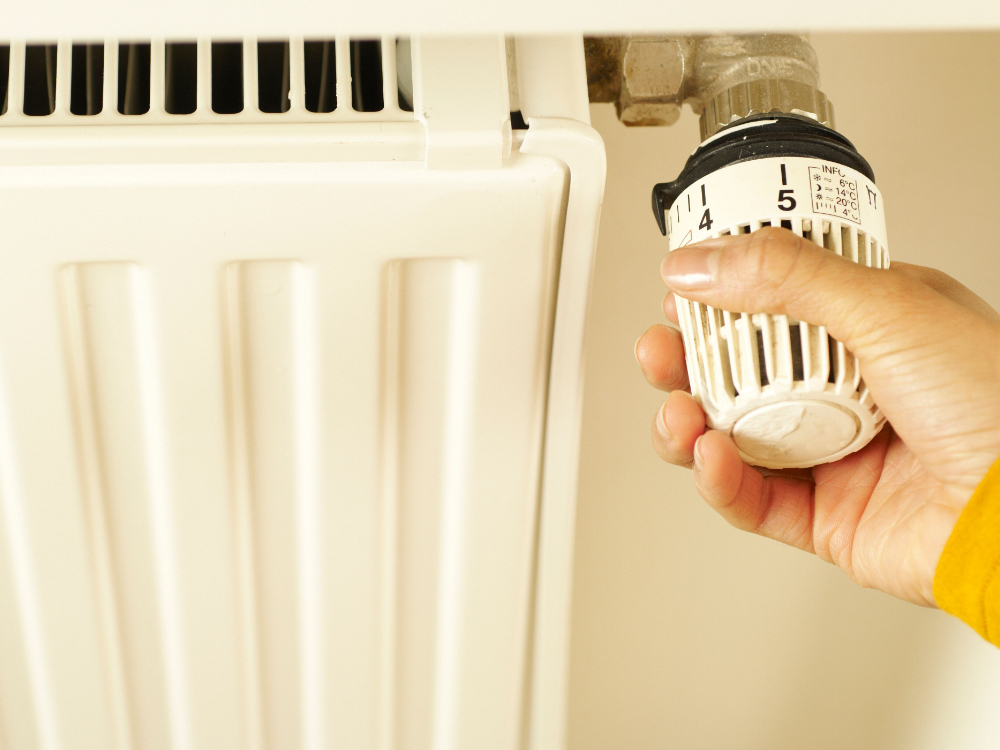
- Residents, including council tenants, may experience difficulties with their heating systems which prevent them from using them as efficiently and effectively as possible. A lack of energy literacy and not being familiar with the support that is available could push people into fuel poverty.
- Fuel poverty compounds the challenges faced by those already struggling with the cost-of-living crisis and makes it more difficult for people to overcome financial hardship. This has contributed to an increase in cold homes during winter and greater reliance upon food banks and other charitable organisations.
- Research with food bank users found that people routinely make trade-offs between heating and eating, with the Fuel Bank Foundation reporting that 40% of households in fuel crisis regularly have to choose between food and energy costs.
- Trussell Trust statistics show that, in 2025, [See Slide 4 of the Trussel Trust’s Flourish data visualisation tool for local authority statistics] emergency food parcels were distributed in [AREA].
- House of Commons Library research shows that [See constituency data from Local area data: Fuel poverty]% of households in [AREA] were living in fuel poverty.
- Nationally, fuel poverty has contributed to an estimated 9,600 premature deaths, while National Energy Action reports that cold homes cost the NHS approximately £3.6 million each day.
Council believes that:
- Everyone should be able to heat their home and understand how to use their heating system effectively and economically.
- The council should lead by example and provide council tenants with the information and resources they need to understand and operate their heating systems effectively and economically.
- There is more that can be done to reduce energy costs for households in [AREA], such as improving insulation and draught-proofing, expanding adoption of solar panels, boosting uptake of smart meters, and supporting community-led energy schemes.
Council resolves to improve energy literacy amongst residents by:
- Providing new council tenants, at the point of signing their tenancy agreement, with guidance on how to use their heating system and with an approximate timeline for the installation of a new heating system where the property is eligible for one. This information should also be made available to existing tenants upon request.
- Ensuring that throughout their tenancy, residents have the contact details for relevant council support services, access to information and guidance on their heating system, and receive advice on how to keep their energy bills lower.
- Removing any barriers to accessing support and informational resources, whether they be caused by disabilities, language barriers or use of jargon.
Data sources:
- Trussell Trust: https://public.flourish.studio/story/3583463/
- House of Commons Library: https://commonslibrary.parliament.uk/research-briefings/cbp-10542/